Adding Playful, Crafty Graphics to Your Publishing Toolkit
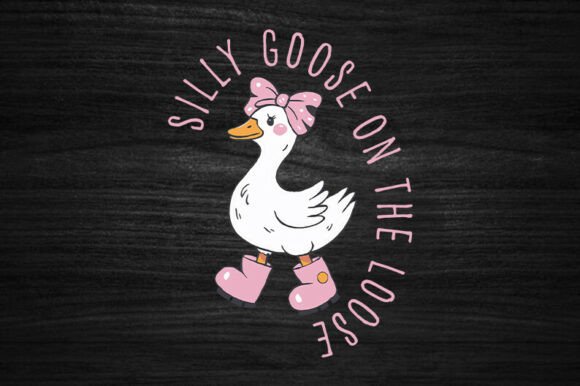
As someone who spends most days designing blog layouts and reviewing digital assets for client websites, I have a simple rule: a graphic must earn its place. It should either enhance the editorial mood, strengthen the visual hierarchy, or directly support a content goal. When I first downloaded the Silly Goose on the Loose PNG SVG bundle, my immediate thought was, “This is pure, unadulterated fun.” The whimsical, camo-clad goose character doesn’t just sit on the canvas; it suggests a story. It’s a graphic design asset that instantly communicates a playful, lifestyle-focused, and slightly mischievous tone.
The Editorial Mood: Where Playful Design Builds Reader Connection
This design is not for corporate whitepapers or serious financial blogs. Its natural habitat is content that embraces humor, family, outdoor lifestyles, crafting communities, or lighthearted parenting. Using this asset on a website header or as a featured image for an article about funny camping stories, DIY kid’s apparel, or a “crafts for boys” tutorial immediately creates a warm, approachable, and engaging first impression. It tells the reader, “This content is for you if you enjoy a laugh and a hands-on project.” That visual shorthand builds trust and recognition faster than any paragraph of introductory text.
Real Publishing Workflow: From Blog Graphics to Social Media Posts
In a typical week, I might be preparing a Pinterest pin for a client’s downloadable camping activity pack, a newsletter banner for a crafting affiliate’s latest roundup, and featured images for a series of blog posts about humorous family anecdotes. The Silly Goose on the Loose PNG SVG bundle is versatile enough to serve all three. Let’s break down the use cases.
For blog featured images and article headers, the clean PNG files allow you to place the goose over a background photo of a forest or a workshop. It becomes an editorial accent that draws the eye and clarifies the article’s theme. For Pinterest graphics and social media previews, its bold, character-driven nature stands out in a crowded feed, promising a click-through to a fun read or a useful resource. This is where visual hierarchy matters—the goose is a focal point that guides the viewer.
Perhaps its most powerful application is in downloadable resources and lead magnets. Imagine designing a digital guide titled “Silly Outdoor Crafts for Kids” or a worksheet for planning a family camping trip. Placing this graphic on the cover or as a section header within a Canva template instantly elevates the perceived value. It turns a simple PDF into a polished, branded digital product. For affiliate marketers promoting craft supplies or funny t-shirts, this asset provides the perfect, cohesive visual for your content, making your recommendations look integrated and professional, not just a collection of stock images.
Supporting Content Performance: Beyond Just Looking Good
A well-chosen graphic design asset does more than decorate; it performs. Here’s how this playful goose supports real-world content goals.
Stronger First Impression & Click-Through Potential: In a sea of generic blog graphics, a unique, memorable character like this camo goose catches attention. It promises a specific, niche experience—crafting, humor, outdoors—which can lead to higher engagement rates on social shares and in email newsletters.
More Consistent Branding & Visual Identity: For a small business or blogger focused on the crafts and outdoor lifestyle niche, using this asset across your website banner, category thumbnails, and newsletter graphics creates a cohesive, recognizable look. Readers begin to associate that friendly goose with your content’s quality and tone.
Improved Reader Trust & Professional Polish: Using custom, high-quality graphics signals that you invest in your content presentation. A blog post about Cricut projects that uses a relevant, well-integrated SVG file feels more authoritative and trustworthy than one using unrelated, low-resolution images.
Strategic Placement: Where This Design Asset Works Best
- Hero Images for landing pages about crafting communities or outdoor fun.
- Article Thumbnails and Category Visuals for blogs organizing posts about DIY, kids’ activities, or humorous stories.
- Pinterest Pins designed to drive traffic to tutorials or printables.
- Content Upgrades and Downloadable Printables like coloring sheets or project templates.
- Newsletter Headers for a weekly roundup of fun ideas.
- Digital Guide and EBook Covers within the crafting and lifestyle niche.
- Affiliate Content Visuals seamlessly integrating product recommendations into your editorial layout.
Publisher Notes: Practical Checks Before You Publish
Before hitting publish, every experienced digital publisher runs a few practical tests. Here’s my checklist for this particular asset.
- Test Scalability: Open the SVG file and scale it dramatically. Does the clean vector line work hold up for a large website header and a tiny mobile thumbnail? The vector nature should.
- Preview in Layout: Drop the PNG into a mockup of your actual blog post layout. How does it look beside your headline text? Try it with different font styles—a solid sans-serif font for modern clarity, a playful handwritten font for extra whimsy. Ensure there’s enough contrast if placed over a background.
- Check File Size & Performance: For web use, always compress the PNG files appropriately. The SVG file is inherently lightweight for web performance, but ensure any exported PNGs are optimized to keep your page loading fast.
- Confirm Licensing: For use on monetized websites, affiliate pages, or within paid digital products like your own media kits, always double-check the commercial license terms of the graphic. Most bundles from reputable creative marketplaces allow commercial use for digital publishing, but verification is a non-negotiable step.
- Consider Context: Use it carefully on text-heavy blog images where the graphic might compete with readability. Avoid placing it on already busy layouts or within serious professional niches where its playful tone could clash with the content’s authority.
The Final Take: A Niche Asset with Broad Publishing Utility
The Silly Goose on the Loose PNG SVG bundle is a niche graphic, but its utility within that niche is broad. It’s a prime example of how a specific, well-executed creative design asset can become a multipurpose tool in a publisher’s arsenal. It supports visual communication from the top of a website down to the smallest social media post, ensuring your content about crafts, outdoor fun, and family humor looks intentionally designed, clickable, and polished. For bloggers, affiliate marketers, and creative entrepreneurs in that space, it’s not just a graphic; it’s a visual shortcut to building a stronger, more recognizable, and more engaging brand.