Sushi and Wasabi SVG Design for Embroidery Projects
When a new design file lands in my library, I don’t just look at it on screen. I immediately start imagining it stitched out. How will the thread colors behave? What will the finished texture be like on a real product? Today, I’m evaluating the Sushi and Wasabi SVG Design from that exact perspective: as an embroidery designer thinking about its real-world application.
The First Impression: A Playful Yet Clean Culinary Motif
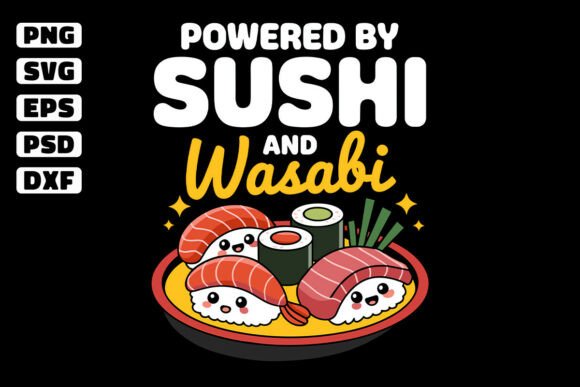
Opening this file, the mood is instantly cheerful and approachable. The composition is balanced, with clear, distinct shapes for the sushi roll and wasabi that promise good stitching separation. The level of detail is thoughtful—it’s not overly intricate, which is a plus for machine embroidery. This isn't a formal, technical illustration; it’s a friendly graphic with personality. It feels like it belongs on items meant to convey joy, a hobby, or a personal passion. I immediately thought of a custom apron for a home cook or a fun tote bag for a sushi-loving friend.
Where This Design Shines in Real-Life Embroidery
Let’s walk through a specific scenario. A client requests a personalized gift for a chef’s birthday—an embroidered sweatshirt. The Sushi and Wasabi SVG Design comes to mind. Its clean lines translate well to apparel embroidery. On a mid-weight sweatshirt, with proper stabilizer, I expect the fill stitches for the sushi to create a satisfying, slightly raised texture, while the wasabi element could pop with a brighter green satin stitch outline.
Beyond custom apparel, this design has a wide range. It would be charming and subtle on baby clothes or nursery decor, adding a whimsical touch without being overwhelming. As an embroidered patch, it’s perfect for caps or bags, offering a recognizable symbol for food enthusiasts. For small business owners, like an Etsy seller specializing in kitchen-themed handmade products, this design could become a core part of their line—embroidered on tea towels, pillow covers, or aprons. The graphic nature lends itself well to printable mockups for digital product listings, too, giving customers a clear idea of the finished look.
Navigating Potential Challenges for a Perfect Stitch
While the design is versatile, a practical reviewer always considers where caution is needed. The smaller elements, like the detailing on the sushi, require attention. On very small hoop sizes or when stitched onto textured fabrics like certain towels, those fine details might lose clarity if the stitch density is too high. Embroidering on stretchy fabric or dark fabric would demand careful thread color choice and stabilizer use to maintain visual punch.
Curved surfaces, like the crown of a cap, can sometimes distort simpler shapes, so a test run on scrap material is essential here. Also, for products destined for frequent washing, like kitchen linens, ensuring the stitch structure is secure and the threads are colorfast is a must—this design’s success depends on its crispness.
How This Embroidery File Elevates Your Project
Using a well-executed design like this affects everything beyond the stitch. For a craft business owner, it enhances brand consistency if you offer a series of food-themed items. The visual appeal is high, translating directly to customer trust and buyer engagement—a clean, professional embroidery job makes a product feel valuable. As a personalized gift, its specificity (sushi and wasabi) makes it feel thoughtful and unique, increasing its giftability. For the embroidery designer, it’s a reliable design asset that can be adapted for multiple commercial embroidery projects without needing extensive rework.
Practical Notes from the Hoop: A Designer’s Checklist
Before you run this machine embroidery design for a client project or your own small shop product, here’s my standard mental checklist, applied to this file:
- Always test on scrap fabric first. Use a material similar to your final product to see how the stitch density behaves.
- Check thread color contrast. How does it look on both light and dark fabric backgrounds? A quick black and white mockup can help gauge value contrast.
- Review the small details. Zoom in on the design file and identify any potential trouble spots for your hoop size and machine.
- Confirm your stabilizer choice. The right stabilizer is key for maintaining the design’s shape, especially on custom apparel like t-shirts.
- Verify the licensing. The product description mentions small business branding and crafting. Before selling any finished product, ensure the license covers your intended commercial or personal use.
Remember, specifics like exact stitch count or included file formats aren’t mentioned here, so it’s crucial to check the provided details from the source. This is a general review based on visual assessment and typical embroidery project needs.
The Final Verdict: A Versatile Graphic for Creative Makers
The Sushi and Wasabi SVG Design stands out as a solid, versatile choice in the crafts and graphics space. It has the visual personality to attract attention and the structural simplicity to embroider well across many applications. Whether you’re an apparel decorator preparing for a craft fair, a hobbyist making a holiday gift, or a digital product seller building your asset library, this design offers practical value. Its success, as always, hinges on your skill and preparation as the maker. With careful testing and thoughtful application, it can become a delightful and profitable element in your embroidery work.